
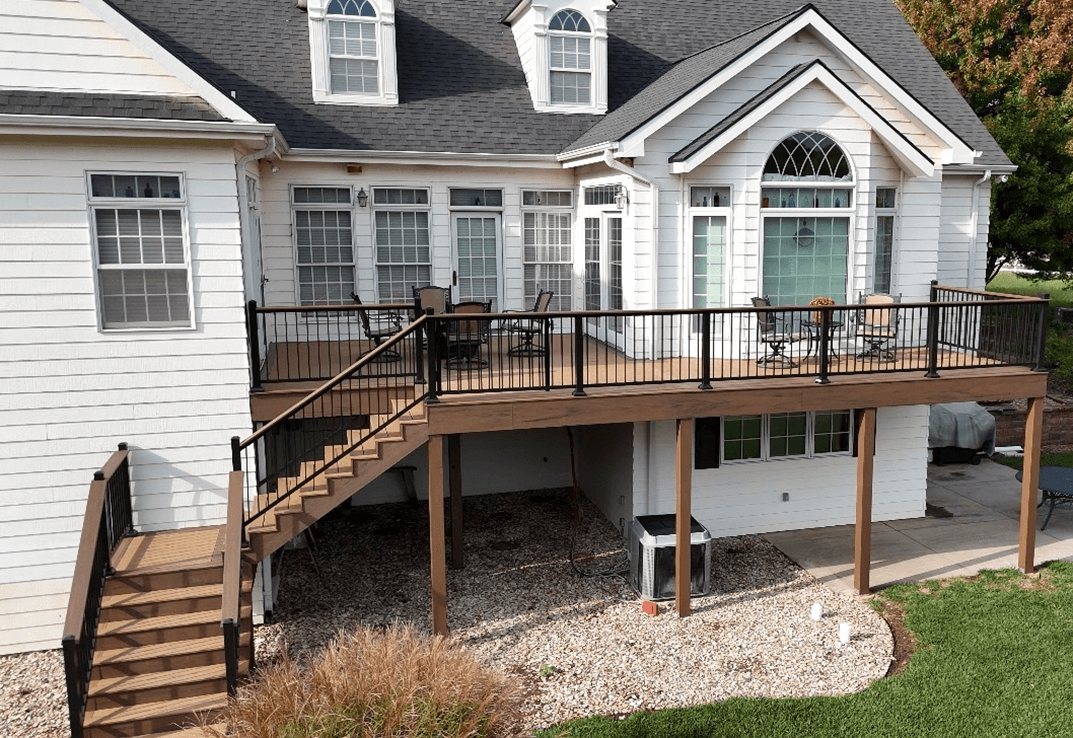
Picture this. It is a perfect Saturday in May, the grill is ready, and half your friends have already texted to ask if the new deck is done. Meanwhile, you just started calling builders and the earliest opening is August.
That story plays out every year, and it is completely avoidable. The smartest time to start a deck project is not when the weather turns nice. It is right now, in the cold, quiet months, when you have time to think, builders have room on their calendars, and permits do not have to be rushed.
At C&C Painting and Remodeling, we help Manhattan, KS homeowners plan outdoor spaces that actually get used. This guide covers when to start, how to choose materials, which design trends are worth your attention, and what Kansas weather means for your build. When you are ready to talk specifics, our deck construction team in Manhattan, KS is happy to walk your yard with you.
We pulled from industry sources, builder guidance, and national homeowner surveys, then filtered everything through Kansas sun, Kansas wind, and Kansas clay.
The Short Version: Planning a Deck at a Glance
Short on time? Here is the quick plan for getting a deck by early summer.
- Start planning in winter and build in spring.
- Book your builder early, since good ones fill up fast.
- Sort out permits and design before construction season starts.
- Pick materials based on how much upkeep you want, not just upfront price.
- Design for how you actually use your yard, from shade to privacy to lighting.
- Plan for Kansas conditions, including sun, wind, drainage, and soil.
Why Winter Is the Smart Time to Plan a Deck
Most homeowners think about decks when the grass turns green. Builders know better. By the time everyone else starts calling, the schedule is already filling up, and the best crews may be booked for months. According to Decks.com, popular contractors can have calendars that run well in advance, and slower winter months are often when you can get on the list without a scramble.
Starting early gives you more than a spot on the schedule. It gives you time for the unglamorous parts that decide how a project goes:
- Design time. You can walk the yard, watch where the sun lands, and change your mind without pressure.
- Permit time. Review can take a while, and it is much better to wait on paperwork in January than in May.
- Material time. Lead times and availability can shift in peak season, so choosing early keeps you in control.
- Budget time. Early planning leaves room to compare options and decide whether to build everything at once or in phases.
There is also a very Manhattan reason to plan ahead. Between K-State football weekends, graduation parties, and summer gatherings, a deck that is ready by late spring gets used for everything. A deck that finishes in August misses most of the season.
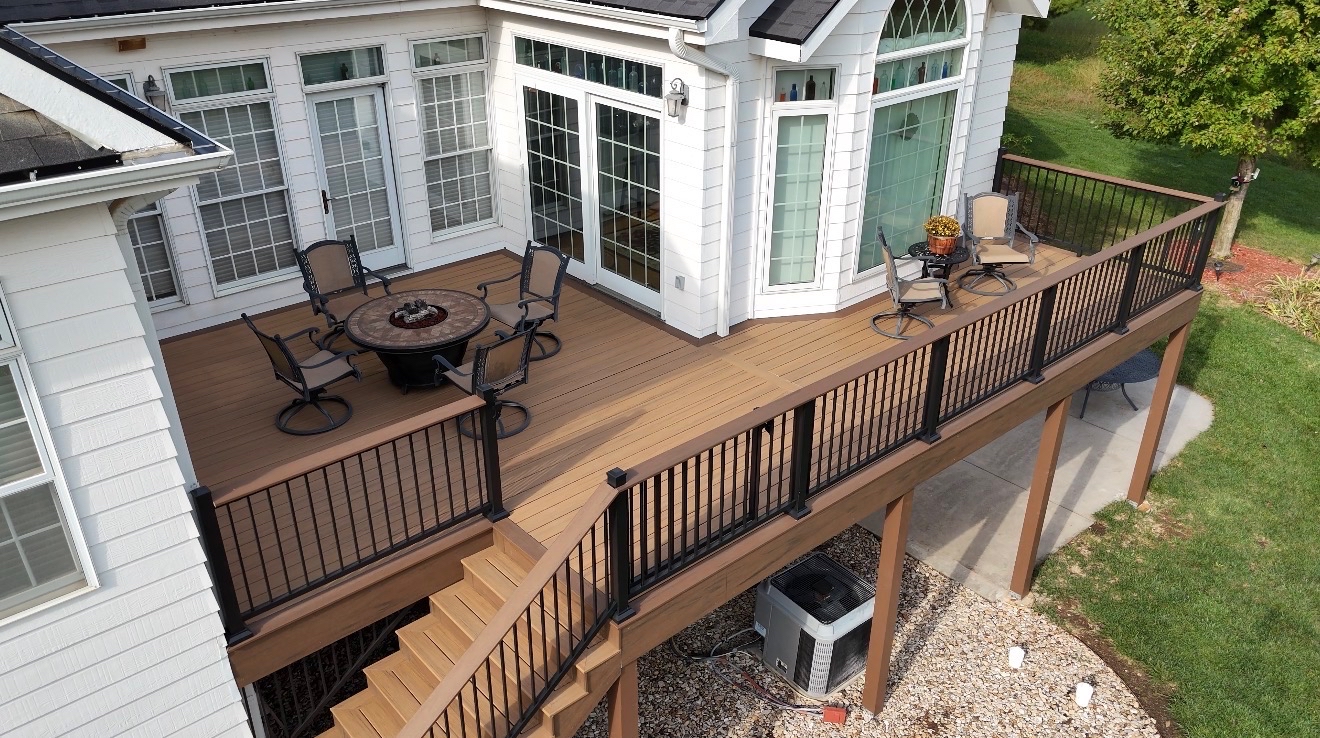
Your Deck Planning Calendar
Every project is different, but this timeline works well for most Kansas homeowners.
Late Fall and Early Winter: Dream and Measure
Gather photos of decks you love, list how you want to use the space, and take a close look at your yard. Where is the afternoon sun? Where does water drain after a storm? Where do you want privacy? This is also the right time to book a walk-through with a builder.
Mid Winter: Design, Permits, and Materials
With a builder on board, you can settle the size, shape, railings, stairs, and finishes. Permits get submitted, materials get chosen, and any questions about your property line, utilities, or neighborhood rules get answered before a single hole is dug.
Late Winter and Early Spring: Final Details
Contracts are finalized, materials are ordered, and a start date is locked in. You may even have time to plan the extras, such as built-in seating, lighting, and how the deck will connect to your yard and your back door.
Spring: Build
Once the ground thaws and the weather cooperates, construction begins. A professional crew can often finish a standard deck in about a week, while larger or multilevel designs can take several weeks. Rain and wind will occasionally nudge the schedule, so a little flexibility goes a long way.
Summer: Enjoy It
This is the payoff. A deck that finishes in spring is a deck you get to use for the whole season, and it needs a plan for care, including sealing wood or keeping composite clean.
Wood, Composite, or PVC: Choosing the Right Material
Material is the biggest decision after size, and there is no single right answer. Here is how the main options compare in real life.
Wood
Pressure treated pine, cedar, and other woods give you a classic look and a lower upfront cost. The tradeoff is upkeep. Wood needs regular cleaning and sealing or staining to stay looking good, and Kansas sun, rain, and freeze and thaw cycles are not gentle on it. If you enjoy a project and love the natural look, wood is a great choice.
Composite and PVC
These products cost more upfront but ask for far less maintenance, with no sanding, staining, or sealing. A national survey commissioned by Trex, a composite manufacturer, found that 78 percent of wood deck owners regretted their material choice, so keep in mind that the source has a stake in the answer. Even so, the pattern lines up with what we hear from homeowners, which is that upkeep is the thing people underestimate most.
One Kansas note: dark composite boards can get hot in direct summer sun. Lighter, warmer colors and a little shade make a real difference for bare feet and for pets.
How to Decide
Ask yourself how many weekends you want to spend on maintenance, how long you plan to stay in the home, and how important the natural look is to you. The honest answer to those three questions usually points to the right material.
Deck Design Trends Worth Watching
Outdoor spaces keep getting more intentional. Industry trend reports describe backyards that feel like a small resort, and homeowners are responding. The International Casual Furnishings Association reported that 77 percent of U.S. homeowners wish they spent more time outside, and nearly 60 percent planned to invest in their outdoor spaces. Here is what that looks like on a deck.
Zones, Not Just a Platform
Instead of a single open rectangle, homeowners are carving decks into zones for dining, lounging, and grilling. Built-in benches and planters add seating and define the spaces without extra furniture.
Warm, Earthy Colors
Cool gray is giving way to sun-washed browns, honey tones, and natural wood shades. It is the same shift we see indoors in kitchens and bathrooms, and it makes outdoor spaces feel welcoming. If you are curious about the indoor version, take a look at our guide to kitchen remodeling trends in Manhattan, KS.
Low Profile Railings
Sleek aluminum, cable, and glass panel railings keep the view open and the design clean. They also work well on decks that look out over a yard, a green space, or a sunset.
Privacy Without a Fortress
Screens, pergolas, and thoughtful landscaping create a sense of enclosure while still letting air move through. This is especially useful in neighborhoods where yards sit close together.
Lighting for After Dark
Stair lights, post caps, and soft under rail lighting extend the evening and add safety. Plan the wiring before the final boards go down, because it is much easier to run it during construction than after.
Building a Deck in Kansas: What to Think About
Every region has its own quirks, and Kansas has a few worth planning around.
- Footings and soil. Footings need to sit properly in the ground to handle frost and shifting clay. A good builder plans them for local conditions and local code.
- Wind. Open Kansas yards get plenty of it, so railings, posts, and anything freestanding need solid attachment.
- Sun and heat. Think about shade, board color, and where afternoon sun hits. Pergolas and umbrellas are not just decoration.
- Drainage. Water should move away from the house and the deck, not pool beneath it.
- Ledger attachment. Where the deck connects to your home matters for safety and for protecting your siding and flashing.
- Rules and permits. City, county, and neighborhood requirements all differ, so confirm them early.
If your home needs exterior repair where the deck will attach, now is the time to handle it. Our siding repair and replacement team can look at the wall before a new deck goes on.
Questions to Ask Any Deck Builder
Before you sign anything, ask these questions. A good builder will answer them clearly and without hesitation.
- Are you licensed and insured, and can you show me?
- Who handles permits and inspections?
- What footing and framing methods do you use for our soil and weather?
- What is included in the estimate, and what could change the price?
- What is the expected start date, and what happens if weather delays us?
- Who will be on site, and who is my point of contact?
- What care will the deck need once it is finished?
Caring for Your Deck After the Build
A new deck is not a one and done project, even with low maintenance materials. Sweep off leaves and debris, wash the surface once or twice a year, and check fasteners, railings, and stairs each spring. Wood decks need sealing or staining on a regular schedule, and the temperature matters, since many stains and sealers call for mild weather and a dry forecast. Our exterior painting team can help with staining and finishing, and our handyman services can take care of small repairs before they become big ones.
Full Build or Phased Plan? How to Decide
You do not have to build every feature at once. Many homeowners start with the deck itself and add lighting, built-ins, or a pergola later. Others want everything finished in one project so the yard is only torn up once.
Consider a Phased Plan When
- You want to spread the investment over more than one season.
- You are not sure how you will use the space yet.
- You want to start with the basics and add features later.
Consider a Full Build When
- You already know the final design you want.
- You want the wiring, railings, and structure done in one pass.
- You would rather deal with construction one time.
Not sure which route fits? A walk-through answers that question fast. We offer free estimates, and if you want to see how payments could fit into the plan, take a look at our financing options.
What a Deck Project With C&C Painting and Remodeling Looks Like
A good deck project should feel organized, not mysterious. We start with a conversation about how you want to use the space, look at the yard, and then plan the design, materials, permits, and a clear schedule. Because C&C Painting and Remodeling handles building, painting, staining, and finish work together, you get one team and one point of contact instead of juggling separate crews.
We are locally owned and licensed, and we serve Manhattan along with communities across northeast Kansas, including Wamego, Junction City, and Topeka. Want to see what finished work looks like? Browse our project gallery, read what neighbors have to say on our reviews page, or see how projects run on our process page. For the full menu, see our remodeling services.
Deck Construction FAQs
When is the best time to build a deck in Kansas?
Plan in the winter and build in the spring. Winter is when design, permits, and material choices get sorted out without pressure, and it puts you on a builder’s calendar before the spring rush. Construction itself usually happens once the ground thaws and the weather settles, so you can be enjoying the deck by early summer.
Should I choose wood or composite decking?
Both can be great, and the right answer depends on your budget, your style, and how much upkeep you want. Wood offers a classic look and a lower upfront price but needs regular sealing or staining. Composite and PVC cost more at the start and ask for far less maintenance. We walk through the tradeoffs during your estimate.
Do I need a permit to build a deck?
In most cases, yes. Requirements depend on the size, height, and attachment to your home, and they vary by city and county. We handle the permit conversation as part of the project, and we always recommend sorting it out early, since permit timing is one of the main reasons to start planning in winter.
How long does it take to build a deck?
A standard deck often goes up in about a week once the work begins, while larger or multilevel designs can take several weeks. The bigger variable is everything before construction, including design, permits, and your builder’s schedule. Weather in Kansas can shift dates too, so we build some flexibility into every timeline.
Can a deck be built in the winter?
Sometimes, but it depends on the weather and the ground. Footings need workable soil, and very cold or wet days slow everything down. Composite decking can be installed in cold weather when boards are handled properly, but most Kansas homeowners get better results by planning now and building as spring arrives.
Do you offer deck construction outside of Manhattan, KS?
Yes. C&C Painting and Remodeling serves homeowners across northeast Kansas, including Wamego, Junction City, and Topeka, along with the surrounding communities in Riley County, Pottawatomie County, Geary County, and Shawnee County. Contact us and we will confirm service to your address.
Why should I choose C&C Painting and Remodeling for deck construction?
We are a locally owned and licensed team that handles building, painting, staining, and finish work together, which keeps communication simple and the schedule on track. We offer free estimates, explain every step in plain language, and treat your home with the same care we would give our own.
Ready to Plan a Deck You Will Actually Use?
Whether you want a simple platform or a full outdoor living space, C&C Painting and Remodeling is ready to help you build a deck that fits your yard and your life in Manhattan, KS. Call (785) 320-0870 or request your free deck estimate online.